




How Can an IAS Officer Be Suspended? Understanding Civil Service Rules, Rights and Responsibilities
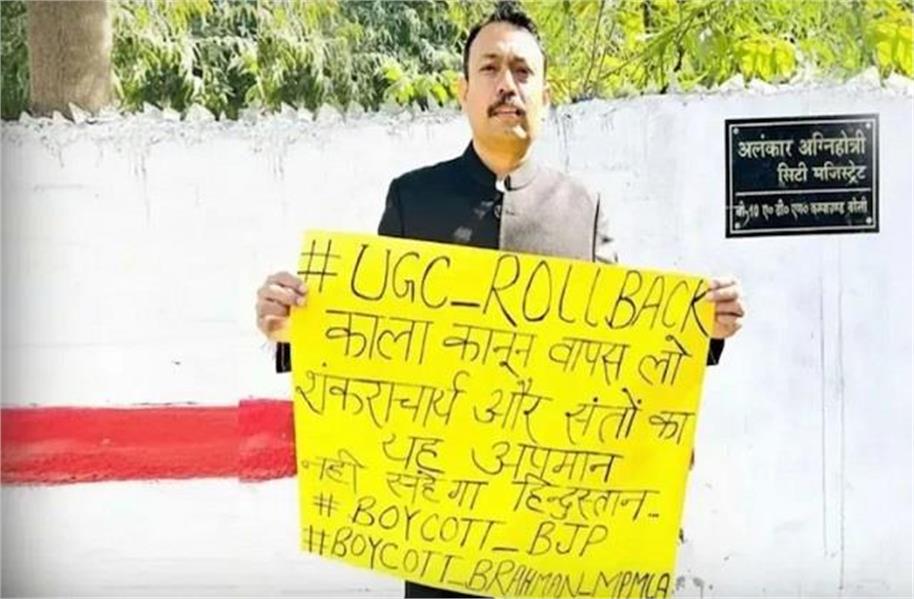
National Desk: The suspension of City Magistrate Alankar Agnihotri in Uttar Pradesh has triggered intense discussion in administrative and political circles. The controversy began after Agnihotri publicly expressed his displeasure over the new UGC bill and the alleged mistreatment of a Shankaracharya. He staged a protest by holding placards to register his dissent and later submitted his resignation.
The matter escalated further when Prashant Kumar Singh, Deputy Commissioner of GST in Uttar Pradesh, also resigned, stating that his resignation was in support of Chief Minister Yogi Adityanath. Amid these developments, the Uttar Pradesh government suspended IAS officer Alankar Agnihotri, even though he had already tendered his resignation.
This has raised a key question: How can an IAS officer or a civil servant be suspended? Can the government suspend an officer arbitrarily?
Who Are Civil Servants and What Is Expected of Them?
IAS, IPS and other civil servants are not merely government employees; they are constitutional functionaries entrusted with public responsibility. They are expected to:
- Maintain a balance between personal opinions and official duties
- Remain politically neutral
- Display restraint and dignity in public conduct
Therefore, when an officer openly expresses views on public platforms, social media or through protests, questions arise over whether such actions fall within the limits of service rules.
Who Has the Authority to Suspend a Civil Servant?
The power to suspend a civil servant lies with the government. However, this power is not arbitrary and must follow established rules and procedures.
When Is Suspension Usually Ordered?
An officer may be suspended if:
- There are allegations of serious misconduct or indiscipline
- Their continuance in office may affect a fair and impartial inquiry
- There is a clear violation of service rules or the code of conduct
Suspension is not a punishment, but a temporary administrative measure to ensure a fair investigation.
Can Civil Servants Participate in Public Protests?
Officers of the All India Services are expected to maintain political neutrality at all times. As per the rules, civil servants:
- Cannot participate in political movements or protests
- Cannot publicly oppose government policies
- Must avoid open criticism of the government through social media, speeches or articles
If an officer disagrees with a policy, internal and official channels are available. Resorting to protests, placards or public demonstrations is considered a violation of service rules.
What Does the Civil Services Conduct Code Require?
Civil servants must adhere to certain fundamental principles, including:
- Upholding the dignity and prestige of their office
- Separating personal beliefs from official responsibilities
- Exercising restraint while interacting with the media and on social media
- Not disclosing confidential government information
In simple terms, even in personal life, conduct should not raise doubts about the impartiality of the office held.
What Do the All India Services (Conduct) Rules, 1968 Say?
These rules form the backbone of civil service discipline:
- Rule 3: Integrity, devotion to duty and discipline
- Rule 5: Maintaining distance from political activities
- Rule 7: Restrictions on communicating with the media without permission
- Rule 9: Prohibition on public criticism of the government
Actions like suspension are taken under these provisions.
Is a Civil Servant’s Job Completely Secure?
Civil service jobs are often considered highly secure—and largely they are—but this security comes with accountability.
Job Security Provisions:
- No dismissal without a proper inquiry
- Right to be heard under Article 311 of the Constitution
- Payment of subsistence allowance during suspension
Accountability Provisions:
- Disciplinary action for rule violations
- Conduct rules apply equally to all officers
In essence, civil servants enjoy strong job protection, but adherence to conduct rules and constitutional discipline is non-negotiable.